

Hospital More, Tamluk, Purba Medinipur,

Dr. Alok Kumar Maity specializes in treating bone fractures, joint disorders, and musculoskeletal injuries with expert orthopedic care.
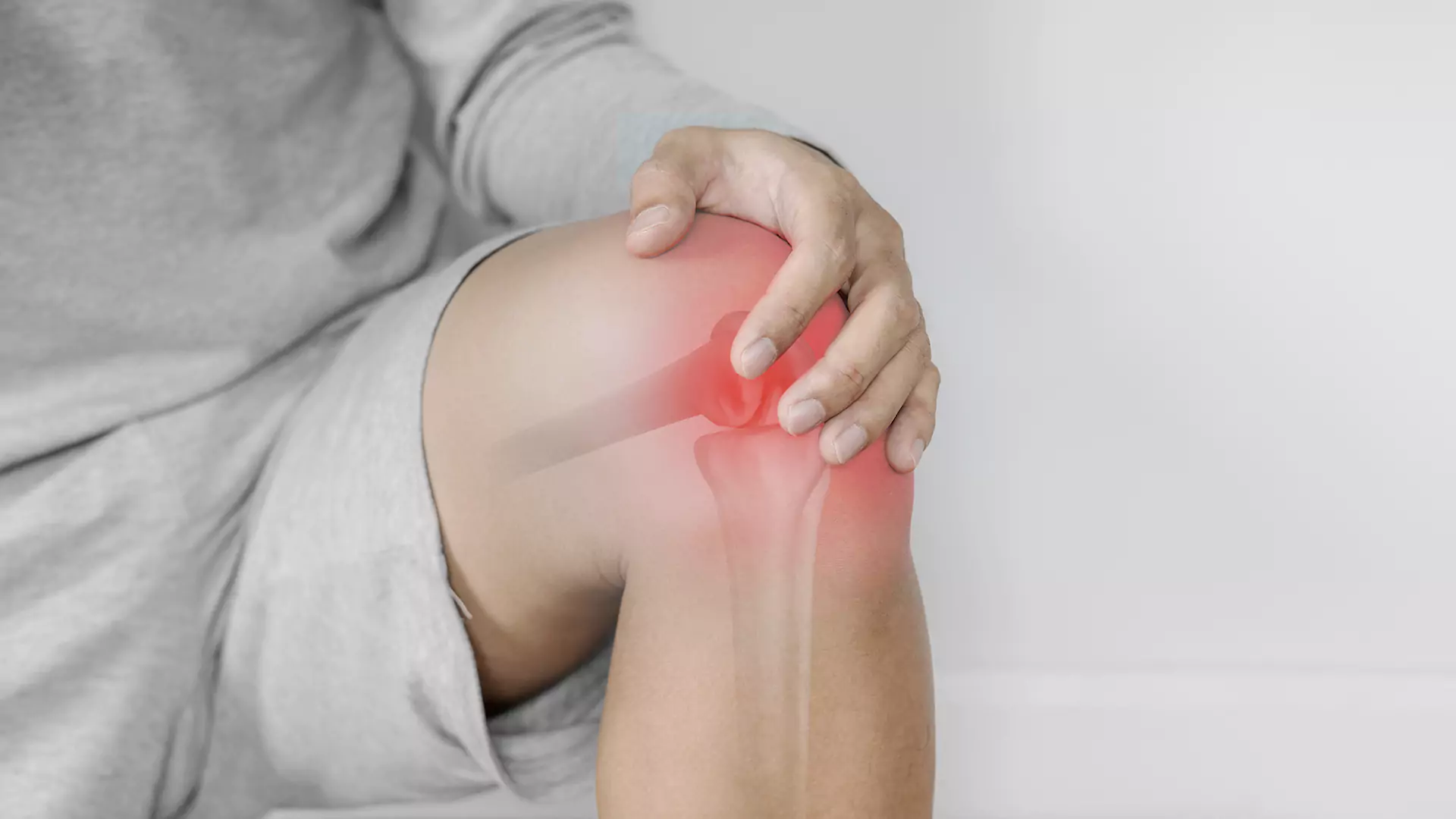
Joint preservation focuses on protecting and maintaining the body’s natural joints, especially in younger and active individuals. Instead of replacing the joint, the aim is to correct underlying issues, restore function, and prevent further damage — allowing patients to stay active without major surger
2. Individuals with early signs of arthritis or joint wear
3. Patients suffering from cartilage or ligament injuries
4. Those with bone alignment issues or minor deformities
5. Sports enthusiasts with repetitive joint stress or instability

Orthopaedic Oncology is a highly specialized area of orthopaedic surgery dedicated to the evaluation and management of both benign and malignant tumors affecting bones, joints, and soft tissues. It also includes the treatment of cancers that originate in or spread to the musculoskeletal system. Dr. Alok Kumar Maity provides precise diagnosis and personalized treatment focused on preserving function, mobility, and quality of life.
Dr. Maity’s expertise covers a wide range of musculoskeletal tumor conditions, including:
Pediatric bone and soft tissue tumors, managed with specialized care for growing children
Primary bone cancers such as osteosarcoma, chondrosarcoma, and Ewing sarcoma
Soft tissue sarcomas including liposarcoma and synovial sarcoma
Benign bone growths like osteoid osteoma, enchondroma, and giant cell tumor
Metastatic bone disease resulting from cancer spread from the breast, lung, prostate, kidney, or thyroid
Pathological fractures caused by tumor-related bone weakening

Joint pain and stiffness can significantly limit your movement and affect your quality of life. When medications, physiotherapy, or lifestyle changes no longer offer relief, joint replacement surgery becomes a safe and effective option to restore comfort, function, and mobility.
Joint Replacement, or Arthroplasty, is a surgical procedure in which the damaged parts of a joint are replaced with an artificial implant made of metal, plastic, or ceramic. This procedure helps relieve pain, correct deformities, and bring back normal joint movement — especially in conditions like arthritis, injury, or degeneration
Dr. Alok Kumar Maity may suggest joint replacement when:
There is reduced mobility, deformity, or joint instability
Persistent pain affects daily tasks such as walking, climbing stairs, or resting
Non-surgical options like medication or therapy are no longer effective
Imaging tests (X-ray or MRI) show advanced joint damage
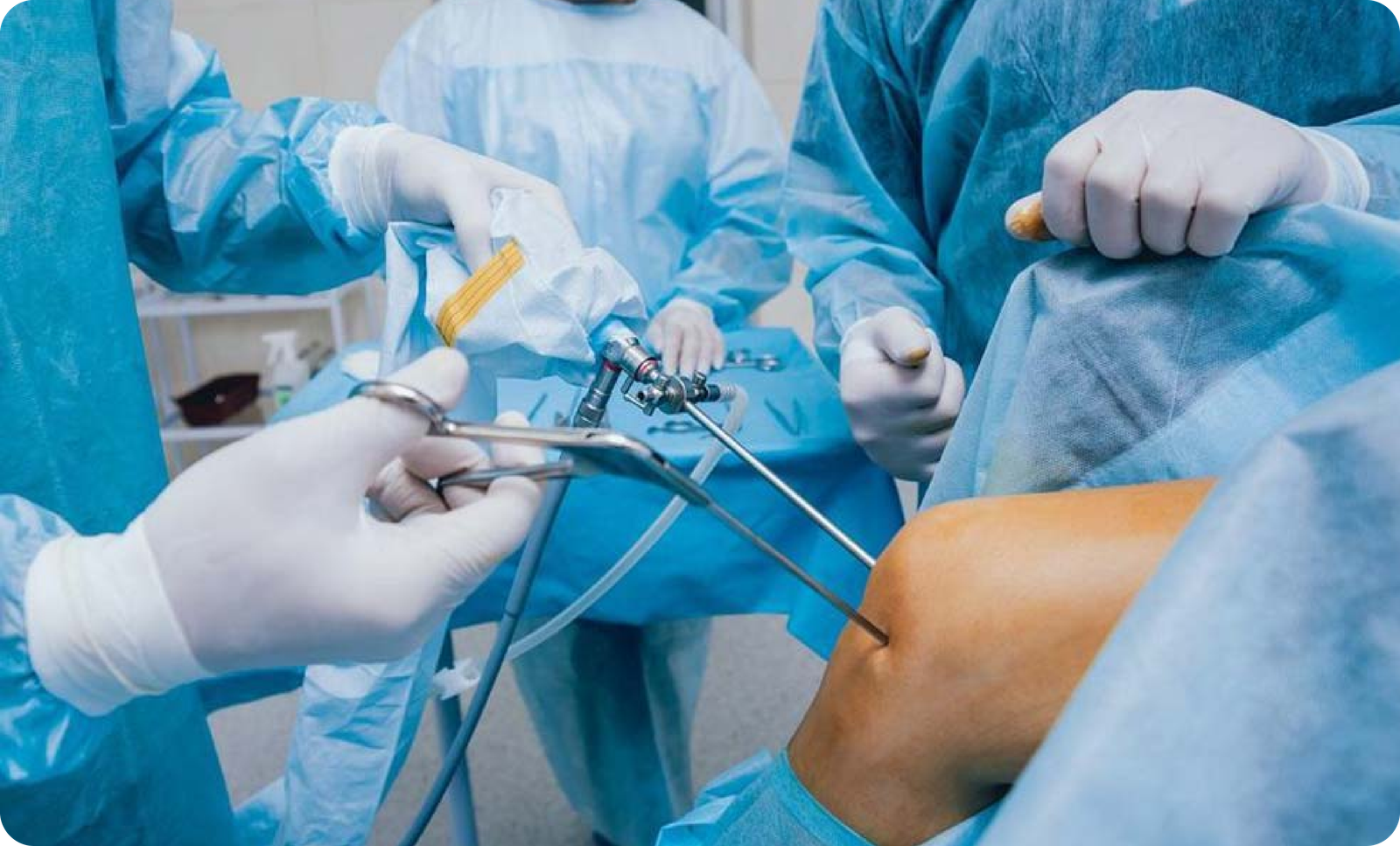
In modern orthopaedics, arthroscopy and trauma management play a vital role in restoring joint health and mobility with accuracy and minimal recovery time. These techniques focus on diagnosing and treating joint conditions and injuries using advanced, minimally invasive methods.
Arthroscopy is a cutting-edge procedure that enables orthopaedic surgeons to examine and repair joint damage through tiny incisions. A miniature camera (arthroscope) is inserted into the joint, providing a clear, magnified view of the internal structures. This approach allows precise treatment with less pain, minimal scarring, and faster healing.
Knee – for ligament tears, cartilage injuries, and meniscus repair
Shoulder – for rotator cuff and labral repairs
Hip – for impingement and cartilage damage
Elbow – for stiffness, loose bodies, and tendon repair
Ankle & Wrist – for sports or trauma-related injuries
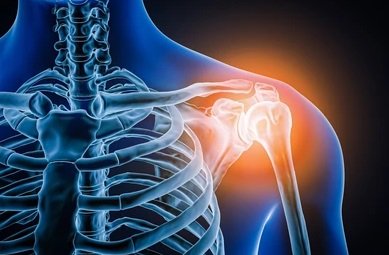
A limb fracture occurs when one or more bones in the arms or legs are broken or cracked. These injuries are among the most common orthopaedic emergencies and can result from accidents, sports injuries, or weakened bones due to medical conditions such as osteoporosis. Early diagnosis and timely treatment are crucial for proper healing and to regain full limb function.
A fracture can range from a minor hairline crack to a complete break in the bone.
1. Falls or slips causing sudden impact
2. Road or workplace accidents
3. Sports-related injuries or collisions
4. Direct trauma from a heavy blow or impact
5. Bone weakness caused by osteoporosis or tumors
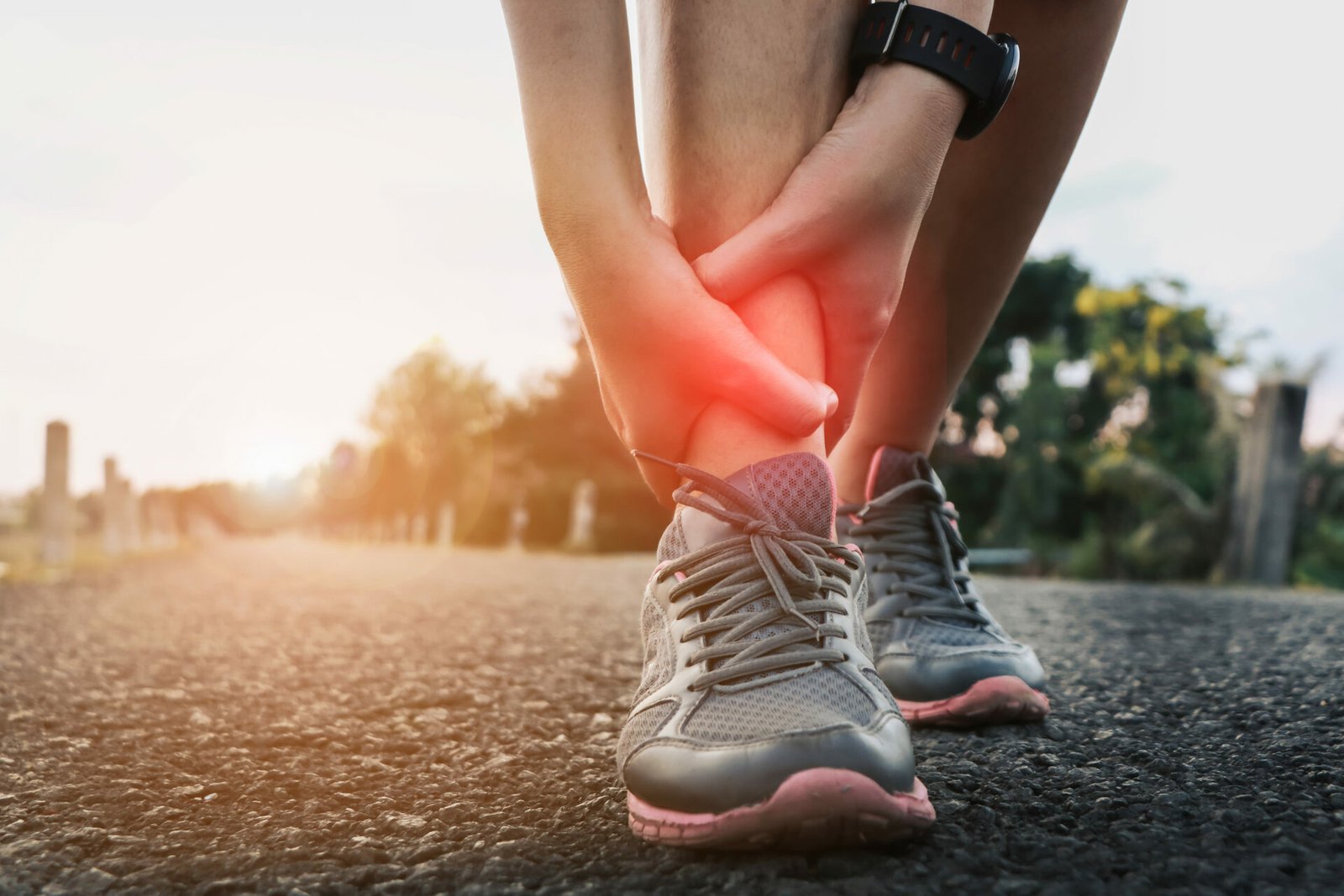
Sports and physical activities play a vital role in maintaining fitness and overall health. However, repetitive strain, overexertion, or sudden impact can sometimes lead to sports injuries affecting the bones, muscles, ligaments, or joints. Understanding these injuries is crucial to ensure safe recovery and continued active living.
Sports injuries are damage to the body’s musculoskeletal system that occur during physical activity, training, or competition. They can be caused by improper technique, inadequate warm-up, unsuitable equipment, or overuse of specific muscle groups.
1. Professional and recreational athletes
2. Children and teenagers engaged in sports
3. Adults resuming physical activity after a long gap
4. Individuals with poor conditioning or flexibility
5. People who skip proper warm-up or stretching routines

Modern orthopaedic care focuses not only on treatment but also on long-term prevention. Today, lifestyle modification plays a key role in managing chronic conditions, enhancing recovery, and improving overall well-being. Whether you are recovering from surgery, managing arthritis, or aiming to stay active, adopting healthy habits can make a lasting difference.
Lifestyle modification involves deliberate changes in daily routines to promote better health and prevent disease progression. These changes can significantly improve recovery and quality of life in conditions such as:
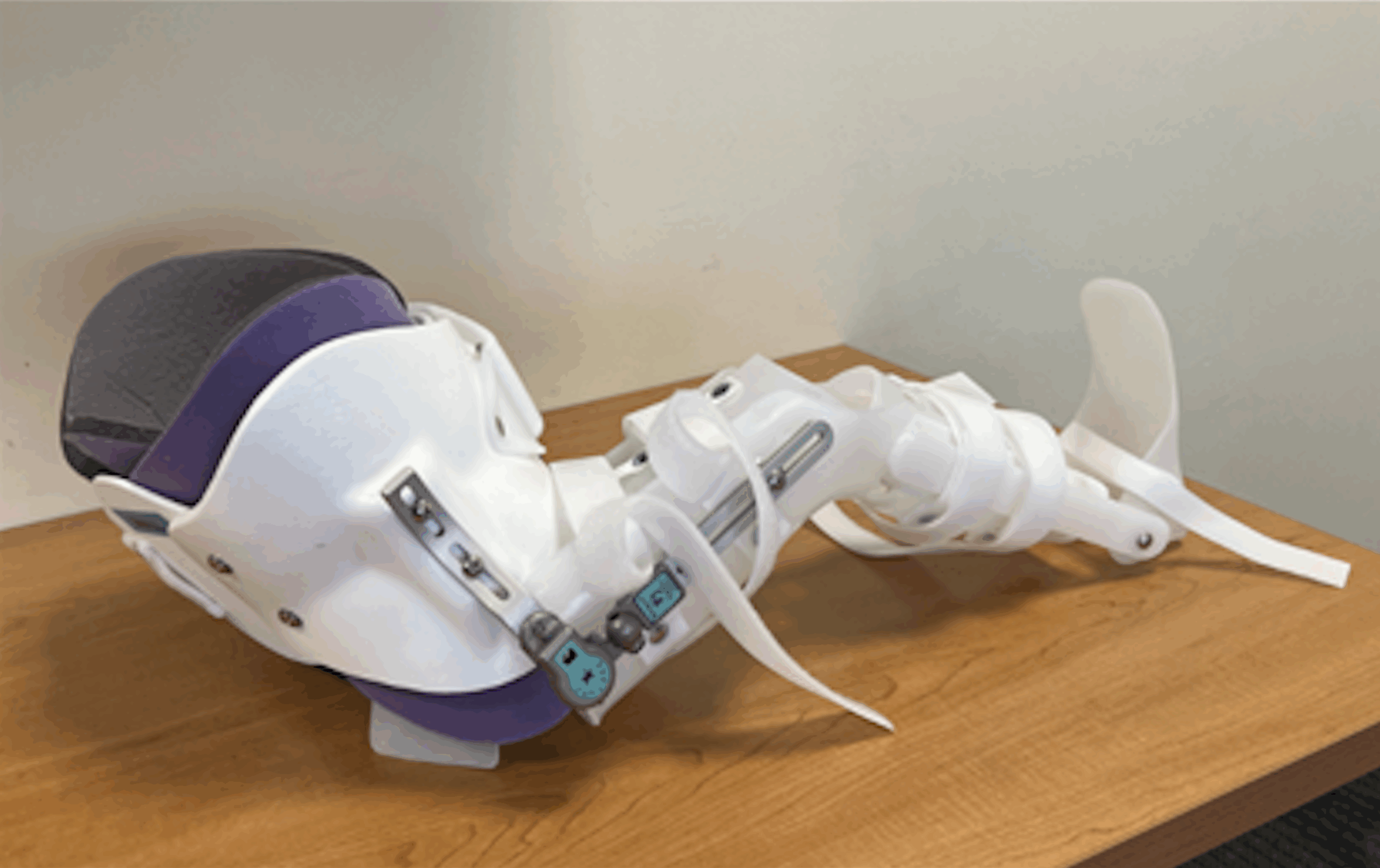
Bracing and casting are essential non-surgical treatments in orthopaedics designed to stabilize and protect injured bones, joints, or soft tissues. These methods support healing by keeping the affected area immobile and properly aligned, ensuring faster recovery and preventing further injury.
1. To immobilize and stabilize the injured area
2. To reduce pain, swelling, and movement stress
3. To protect the site from additional damage
4. To maintain correct bone or joint alignment
5. To assist in recovery after surgery or trauma
Casts, made from plaster or fiberglass, provide rigid protection to keep fractured bones or severe soft tissue injuries completely immobilized. This allows the bone to heal naturally in the correct position while minimizing movement and discomfort.